‘My son did not die for nothing.’
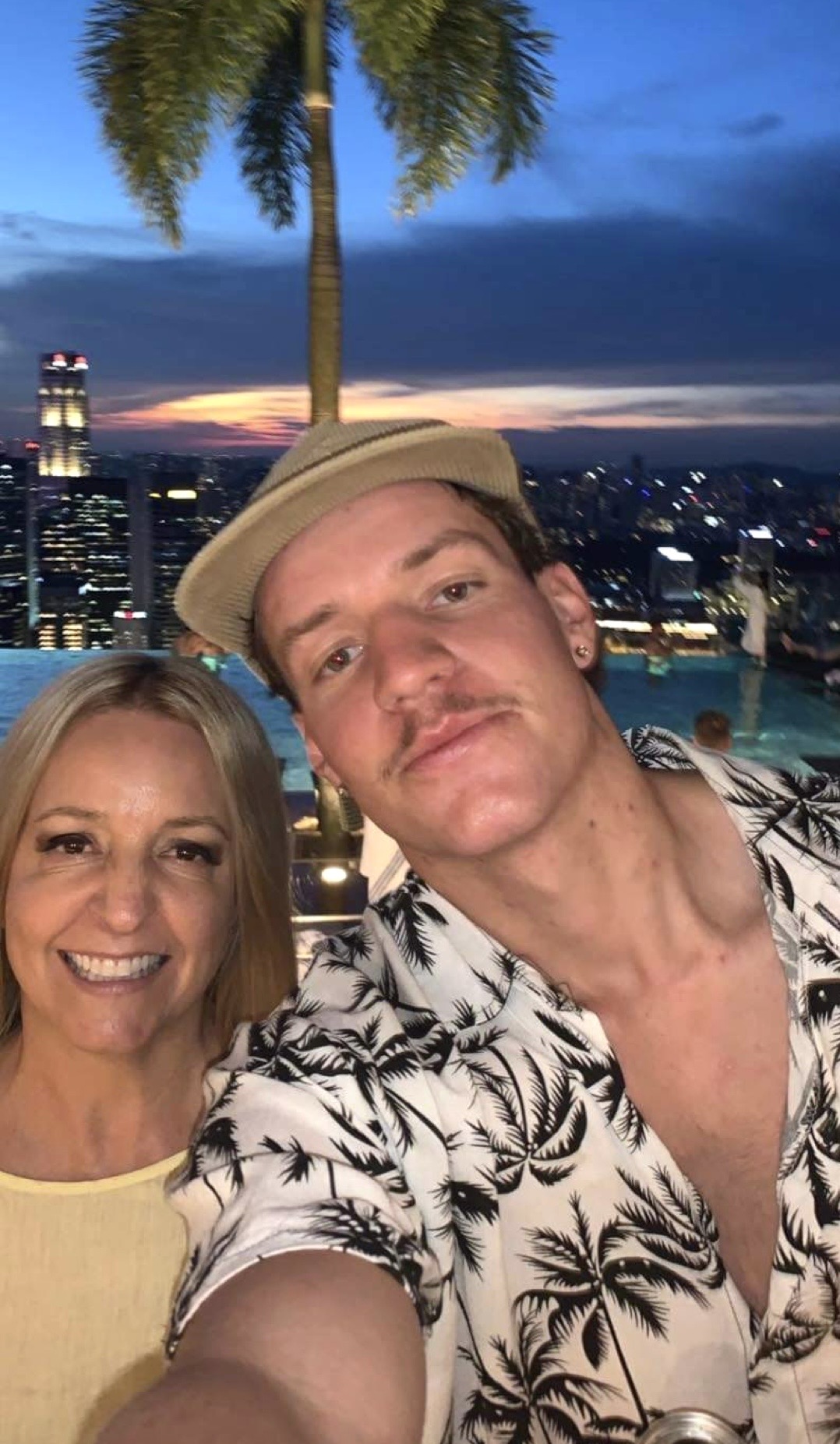
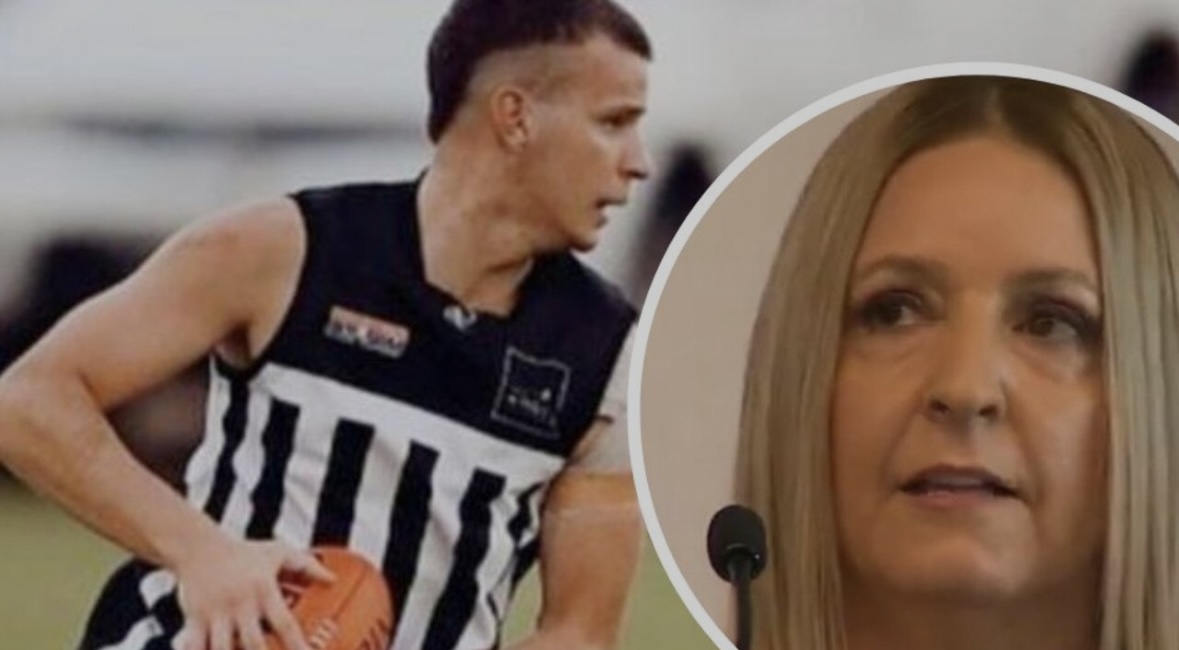
At the FIFTHQTR Foundation we are lucky to meet a number of truly inspiring people, none more so than Wendy Smith, a mum from Adelaide who balances her corporate career with her role as an ambassador for the Concussion Legacy Foundation Australia. She also runs Happy Lids, a charitable online business created in honour of her late son, Antonio Lo Iacono.
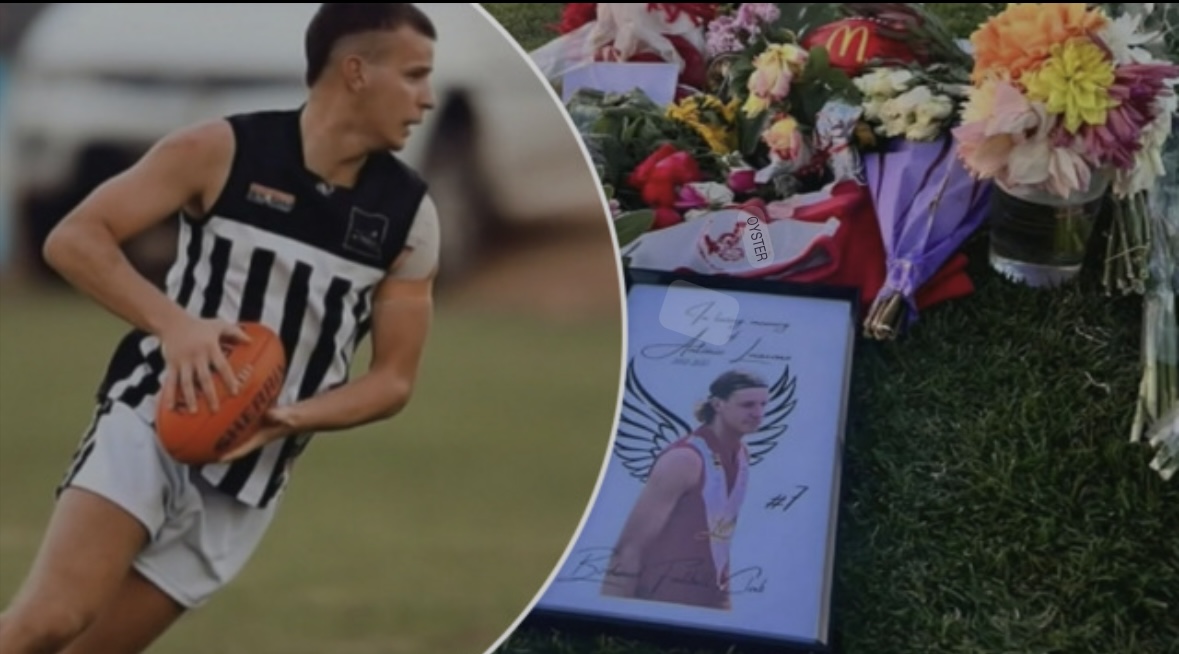
Wendy knows more about concussions and their devastating consequences in contact sport than any parent should. Her son Antonio, full of life, charm, and courage, suffered a catastrophic head injury in an A-grade community football game in Round One of 2023. After collapsing onfield, Antonio stopped breathing, was airlifted to the Royal Adelaide Hospital in a critical condition and was later declared brain dead. He was just 20 years old when his bright future was stolen.
Wendy explains that Antonio began playing football at four years old, fearless and passionate, excelling in club and state footy, right throughout his life. But in his mid-teens, he experienced a few concussions, which took their toll, one of them so serious it led to benign intercranial hypertension (pressure on the brain). As a result, Antonio started having severe side-effects – headaches for weeks after, vomiting, blurred vision. On one occasion, he even spoke of seeing people on a jetty when there were no people there at all. At this time, he took a break from football for a few years, a period during which he would undergo 11 lumbar punctures in a desperate effort to relieve the pressure on his young brain.
In time, Antonio’s neurosurgeon cleared him to return to football, and in 2022 Antonio took up playing for Waikerie Football Club. It was not long before he suffered another concussion in the first quarter of the game. Wendy was not at the match that day but was horrified to learn he had returned to the field in the third quarter. Witnesses claimed he had not had a concussion because ‘he wasn’t knocked out’. Wendy remains deeply frustrated by the widespread misconception that a concussion only occurs when someone is ‘knocked out’. ‘The truth is simple and critical – concussion is a brain injury,’ she explains.
The following year, Antonio moved back to Adelaide and joined Birdwood Football Club as a paid player. Leading up to the season opener, he received a couple of concussions in trial games. He had told a few mates about this but had not mentioned anything to his mum or his coach.
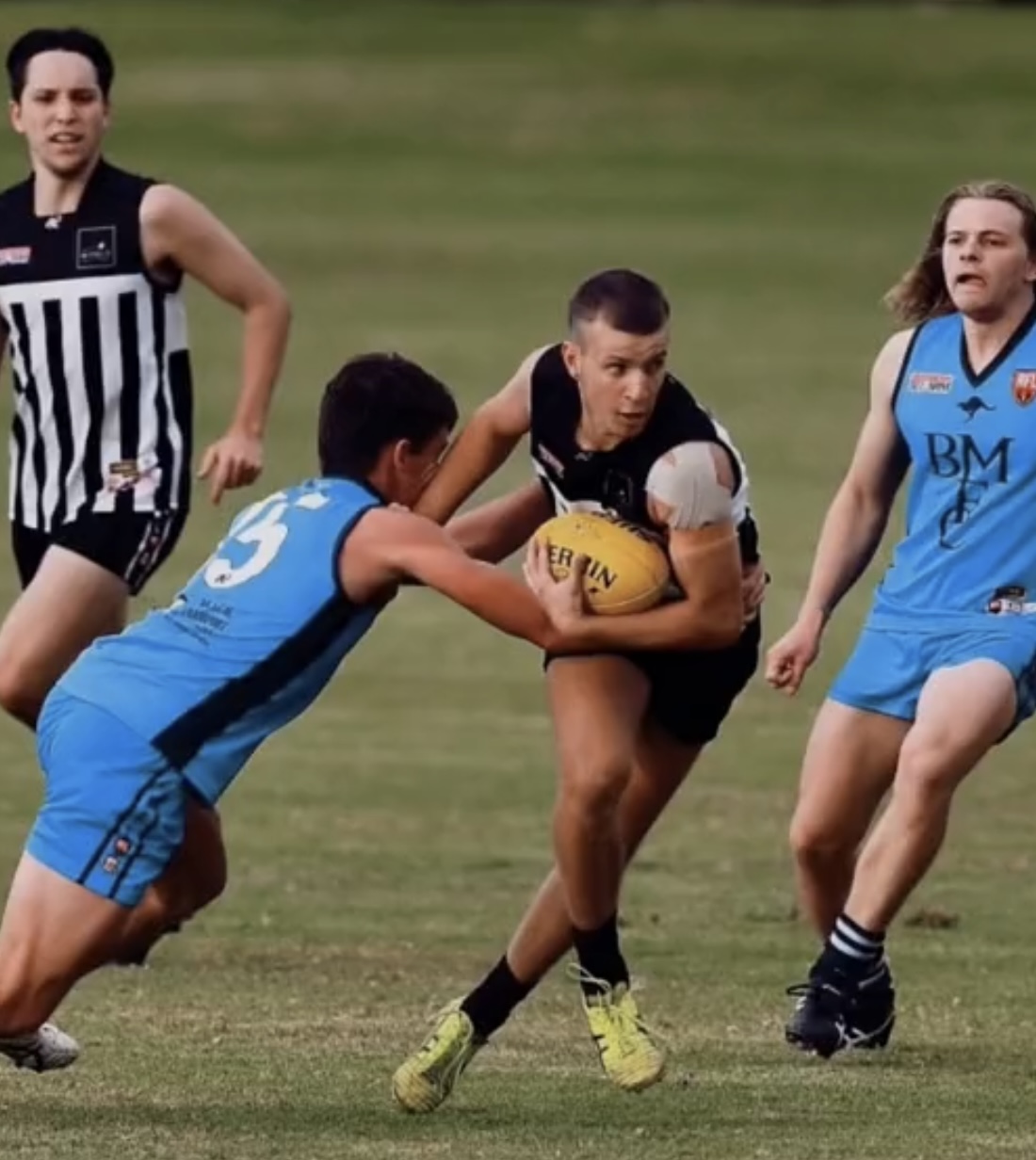
Wendy travelled to watch the game on that ill-fated day on 22 April 2023, a match she will always have trouble recounting. It was a twilight game, round one, late afternoon. She was a newcomer to the club and positioned herself between the goals for a pleasant view. Just before the end of the first quarter, she remembered what she described as ‘a massive pile-on’ and stood up and said, ‘Get off him, you thugs.’ She recalls: ‘The game was aggressive, and I did not know anyone.’
Antonio was struck under the chin in what Wendy described as ‘a malicious high hit, after he disposed of the football’. The umpire paid a free kick further downfield because of it but Antonio was not taken off the ground and remained on field.
The game played on and then in the third quarter she saw Antonio going for the ball. She looked up and there was another massive huddle. She saw one player lying on the oval. She thought, ‘Gosh, that kid looks like he’s in trouble – he’s not moving – why is no one attending to him?’ Then she realised it was her son, recognising his bright-blue footy boots.
Breaking every rule, she ran onto the field. At first, she thought he had broken his arm but soon realised Antonio was not breathing. With help, she turned him over and the trainer called for a stretcher, but Wendy shouted louder: ‘GET THE DEFIBIRILLATOR, CALL AN AMBULANCE!’
While all this was happening, unfathomably, the game played on.
Antonio had four people trying to resuscitate him and eventually three ambulances arrived. To Wendy, it felt like they took forever, as the game was being played in the Adelaide Hills, 45 minutes from the city.
Wendy recalls those horrifying moments onfield: ‘All the while they were trying to resuscitate him, I just kept thinking, he is going to be okay. When the helicopter was called in and they hooked him up to the machines, I did not realise it was life support. I thought they were just monitors. I was told there was no room for me in the helicopter, so the coach drove me to the hospital. When we arrived, they placed us in a private room. I remember thinking “That’s nice”, not realising it was because my son was being kept alive only by the life support machines. I thought he was just deeply unconscious. There were no operations, no interventions – just silence and waiting. I was getting hundreds of messages, saying “everything will be all right” but I felt things were not okay. Through the night it became painfully clear he was not in good shape and by the next day, after countless tests and doctors, Antonio was officially declared brain dead.’
This is a story that is incredibly hard to hear, unimaginable to live through.
‘I have PTSD from it now,’ Wendy says. ‘Anxiety, too. I drink too much – I still have grief therapy and see a psychologist for it.’
The only small consolation that Wendy can take away from this devastating loss is the fact that Antonio was an organ donor, saving six lives, and the youngest Aussie Rules footballer to donate his brain to the Australian Sports Brain Bank. Although the family have received a provisional cause of death being blunt force head and neck injury, Antonio’s death is still under review with the coroner.
‘As a mum – because I know quite a bit about concussions – I honestly believe in my heart that he died from second impact syndrome, and the pathology report makes reference to this.’
Second Impact Syndrome is where a person suffers a second head injury before recovering fully from the first head injury. It can cause rapid and catastrophic brain swelling.
Wendy has replayed the video footage of Antonio’s final match repeatedly. ‘I just turned into an investigator after it happened because it did not sit well with me. What I could see was that he was out after receiving the second high hit, before his head hit the ground.’
When you have a catastrophic head injury, brain stem failure can develop within two to five minutes – if you survive, it can be catastrophic. Wendy believes that had her son survived, he would have had severe brain damage. His quality of life would not have been a good one.
Since all of this happened, Wendy has spent her life advocating for change.
‘I am going to share his story and shout about it from the rooftops. In a perfect world, I would love to see something called “Antonio’s Law,” legislation at a national or state level that mandates annual concussion education for every coach, trainer and athlete. Other countries have already taken this step, and it is time Australia did the same. What it does is saves lives. Antonio’s story is proof of what happens when education and awareness are missing. My son should still be here. His death cannot be in vain. Antonio’s Law would mean no player, no parent and no community must go through what we did. It would be his legacy and protect countless others. I am going to continue to advocate, and I am not going to back down until I see changes made.’ Wendy has already raised this with state and federal governments.
In what might be the understatement of the century, Wendy says, ‘As a mum, I feel ripped off. I just know my son’s death could have been prevented. I remember saying to one investigator, “He signed up to play footy – he didn’t sign up to die.”
These days, Wendy no longer enjoys the football. She can have it on in the background, but she can’t sit down and watch the game.
Before Antonio passed, he was designing a cord cap. He wanted to start a small business and call it Happy Lids, so after he died, that’s exactly what Wendy did. With the help of one of Antonio’s friends and a young graphic designer who can no longer play footy from concussions, Wendy brought Happy Lids to life, turning Antonio’s drawings from paper to product, and has trademarked Happy Lids. With every hat sold, funds are donated to the Concussion Legacy Foundation Australia to assist with further research and education into the devastating effects of Concussions, Second Impact Syndrome and CTE.
If that does not inspire you to go and buy one, nothing will.
www.happylids.com.au